

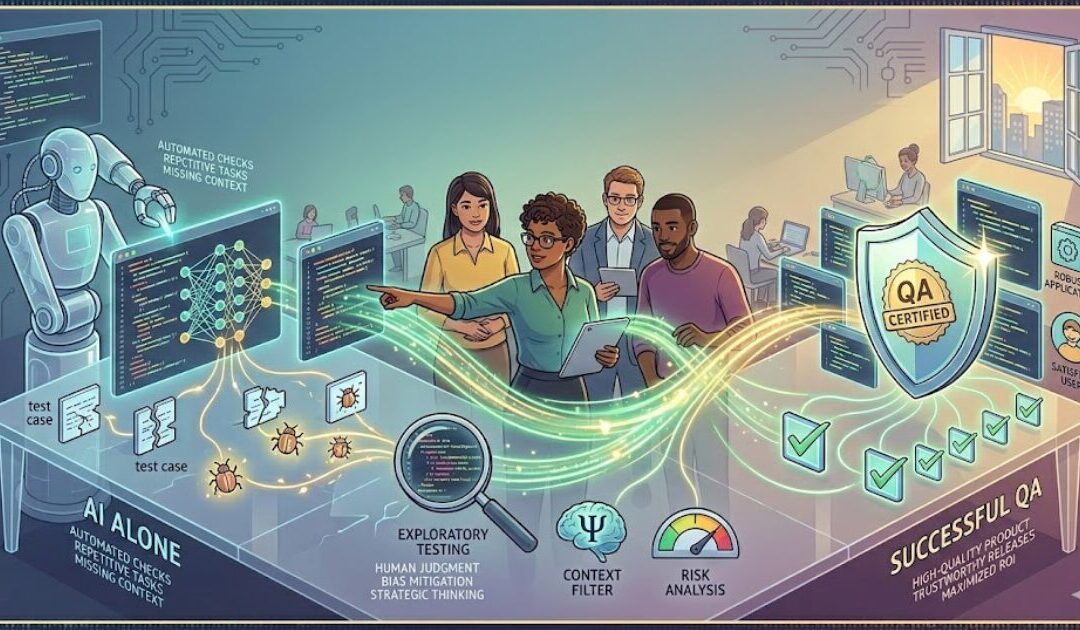
Effective QA requires more than technology. It requires deep insurance knowledge, proven quality methodologies, and decades of operational experience evaluating decision quality, identifying risk, measuring compliance, and driving continuous improvement across claims and underwriting operations.
That is where the distinction between AI expertise and Insurance Quality Assurance expertise becomes critical.
Two Decades of Expertise. One Clear Perspective.
Athenium has spent more than twenty years embedded in the quality assurance programs of the P&C and Life insurance industry's leading carriers. We have helped organizations define what operational excellence looks like, measure performance against those standards, and translate findings into better financial outcomes.
Today, more than half of the Top 25 carriers and approximately one-third of the Top 100 carriers trust Athenium as a critical part of their quality assurance strategy.
That history is not simply a credential. It is the foundation upon which everything we build is designed.
When we looked at where AI could create genuine value for insurance carriers, we did not start with the technology. We started with a question that has guided our work for two decades: what does it actually take to run a high-performing quality program at scale?
The answer informed everything that followed.
The Gap No QA Program Can Close Alone
Quality assurance solutions in insurance are doing exactly what they were designed to do. They create consistency, surface coaching opportunities, strengthen compliance, and reduce operational risk. For decades, they have served as one of the most reliable levers for improving both financial performance and operational outcomes.
But these programs were built for a different operating era, one where volume was a limiting factor, where sampling a small portion of activity was meaningful, and where feedback cycles measured in quarters or years were considered acceptable.
That environment no longer exists for most carriers.
Claim and policy volume is increasing. Product complexity is growing. Regulatory expectations are expanding. And the cost of missing an emerging issue, whether a developing claims pattern, a compliance exposure, or a breakdown in customer experience, has never been higher.
A sample-based review will always have inherent limitations. The question facing leadership teams today is not whether those limitations exist. The question is what to do about them.
AI as an Amplifier, Not a Replacement
The most valuable role AI can play within an insurance quality program is not to replace the program. It is to extend it significantly, and without compromising the rigor that makes it valuable in the first place.
Athenium's AI-powered quality intelligence capabilities are built on 20+ years of best-in-class QA processes and are now delivering for the next era. Our AI workflows are designed to work alongside the quality methodologies, scoring frameworks, and governance structures carriers have already developed, not to replace them.
In practice, this means evaluating a substantially greater share of operational activity against carrier-specific standards. Not generic industry benchmarks. Not one-size-fits-all scoring models. The criteria your organization has spent years defining are now applied consistently across a volume of activity that manual reviews alone cannot reach.
It means surfacing findings with the supporting rationale that a reviewer can act on, not just a score, but the context behind it. And it means compressing the time between when an issue emerges and when the right people in the organization know about it.
The downstream impact is measurable and material: improved loss ratio performance, reduced claims leakage, lower compliance and regulatory exposure, mitigation of costly errors that move through the operation undetected, and increased confidence in the quality of operational decision-making.
This is not a new layer of complexity added on top of an existing program. It is the program your organization already has, operating at a scale that was previously out of reach.
What Leadership Teams Should Be Asking
As the volume of AI sales pitches entering the market continues to grow, the evaluative question for carriers should be straightforward: does this solution understand quality assurance, or does it simply understand AI?
Technology built without genuine QA domain expertise can tell you what happened. However, it will struggle to tell you what it means, why it matters, and what your organization should do differently as a result. That is the gap between data and actionable intelligence, and it is where most AI solutions, however sophisticated technically, will ultimately fall short.
Athenium’s result is AI designed to answer the questions quality leaders ask every day: Was the decision correct? Was it compliant? Was it consistent? Where is risk emerging? Is performance improving, and if not, why not?
Those answers are delivered within the operational and regulatory context that defines quality in insurance, transforming data into intelligence that organizations can act on.
The Competitive Advantage Belongs to Carriers Who Scale What They've Built
The future of quality assurance is not a choice between human expertise and artificial intelligence. It is a more powerful combination of both.
Quality assurance professionals provide the judgment, context, regulatory knowledge, and governance that no AI system can replicate. AI provides the scale, consistency, and speed that no QA team can achieve alone. Together, they create an operating model that is more effective than either could be independently.
The organizations that gain the greatest competitive advantage from AI will not be those that abandon their quality programs in search of a technology shortcut. They will be those who use AI to make their people sharper, their programs broader, and their insights faster, while preserving the human expertise that gives those insights their value.
Your quality assurance program represents years of organizational investment. The standards you have defined, the methodologies you have refined, and the institutional knowledge your teams have built are genuine assets. The question worth asking is whether you are extracting everything you could from them.
For most carriers, the honest answer is that there is significant untapped potential, and the gap between what current programs deliver and what AI-extended programs can deliver is larger than most leadership teams have had the opportunity to fully appreciate.
Athenium's quality intelligence solution exists to close that gap, starting now!
Athenium has been a trusted partner to the insurance industry's leading carriers for more than twenty years.
To learn more about how our AI-powered quality intelligence platform can extend the impact of your existing QA program, visit www.athenium.com/quality/ai-quality-assurance/